Choose the area before the property
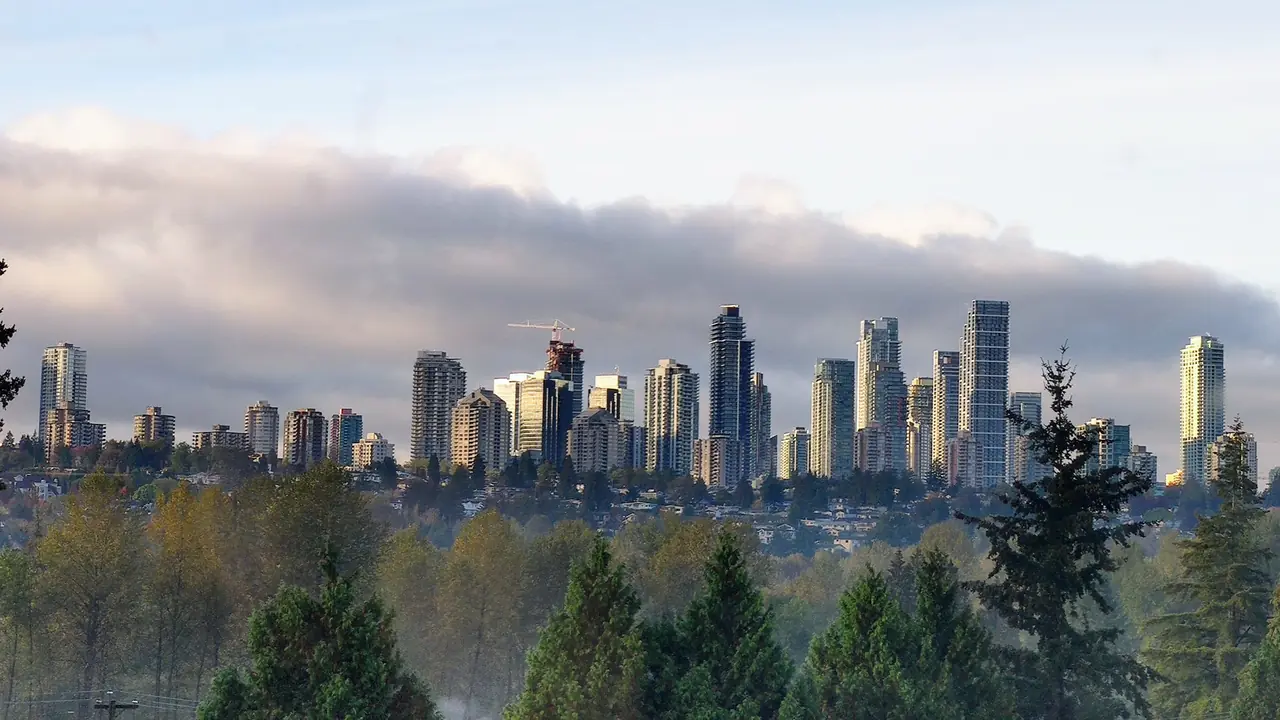
A Burnaby address can be close to Vancouver, Coquitlam, New Westminster or Burnaby Mountain depending on location. The best accommodation is the one that reduces daily travel to the places on your itinerary.
Metrotown
Metrotown is usually the strongest choice for visitors who want Expo Line access, shopping and easy connections toward Vancouver and New Westminster. It is urban and busy, which may be an advantage or disadvantage.
Brentwood
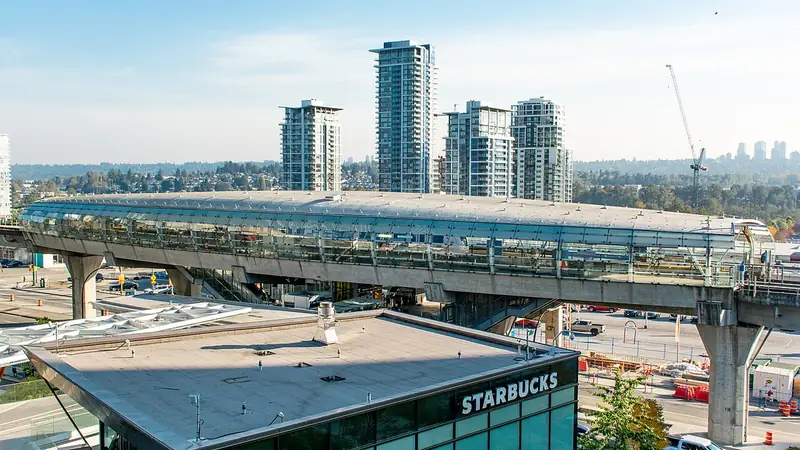
Brentwood suits north Burnaby and Millennium Line trips. It can work well for business travel or visitors spending time in Vancouver, Burnaby Heights or the north side of the city.
Near SFU
Accommodation connected to Burnaby Mountain can make sense for university events, but visitors should understand the elevation and transit relationship with the rest of Burnaby.
Driving versus transit
If you will have a vehicle, compare parking cost and road access. If you will rely on transit, measure the actual walk to a station and check late-night service.
Airport arrival
YVR is in Richmond, not Burnaby. Transit, taxi, rideshare, rental car and pre-arranged transportation all serve different needs. Travellers with substantial luggage should compare the complete door-to-door trip.
Before booking
Check cancellation rules, accessibility, parking, breakfast, room configuration and the exact map location. Do not assume a hotel described as near Vancouver is near the Burnaby attraction you plan to visit.
Start with the exact address
Burnaby covers a large, hilly area and a destination name can hide substantial travel time. Before choosing transportation or accommodation, put the complete address into the route planner. Metrotown, Brentwood, Lougheed, Deer Lake and Burnaby Mountain create very different arrival patterns.
Compare the complete trip, not one leg
SkyTrain can make Burnaby easy to reach, but some final destinations require a bus, walk or taxi. Driving may look faster until parking and congestion are included. Compare door-to-door time, luggage, passenger needs and the return journey rather than judging a mode by one segment.
Build margin around fixed obligations
Flights, concerts, medical appointments, tournaments and reservations need extra time. Work backward from the required arrival time and add a realistic buffer for traffic, transit connections, parking or weather. Burnaby's central location helps, but it does not remove regional congestion.
Before you go
Burnaby changes through construction, seasons, events and service updates. Confirm hours, closures, admissions, transit and accessibility with the responsible organization when those details affect your trip.
Continue planning
Use our Burnaby things to do guide, neighbourhood guide, getting around Burnaby guide and trip-planning guide to connect this page with the rest of your visit.
Before you make a decision
- Confirm the exact place. Burnaby neighbourhood names and park names can cover larger areas than a visitor expects.
- Test transportation. Compare the complete driving, transit and walking route at the time you will actually use it.
- Check current conditions. Verify hours, closures, events, trail notices and facility information with the responsible organization.
- Keep the day realistic. One strong anchor plus one or two nearby stops usually creates a better Burnaby day than a citywide checklist.
Connecting the hotel with YVR
If the trip begins or ends at Vancouver International Airport, include the airport transfer in the accommodation decision. Travellers can compare public transit and taxi with executive black car transportation when a direct scheduled connection is useful.
Useful official resources
Use these sources for details that can change after this guide is published.