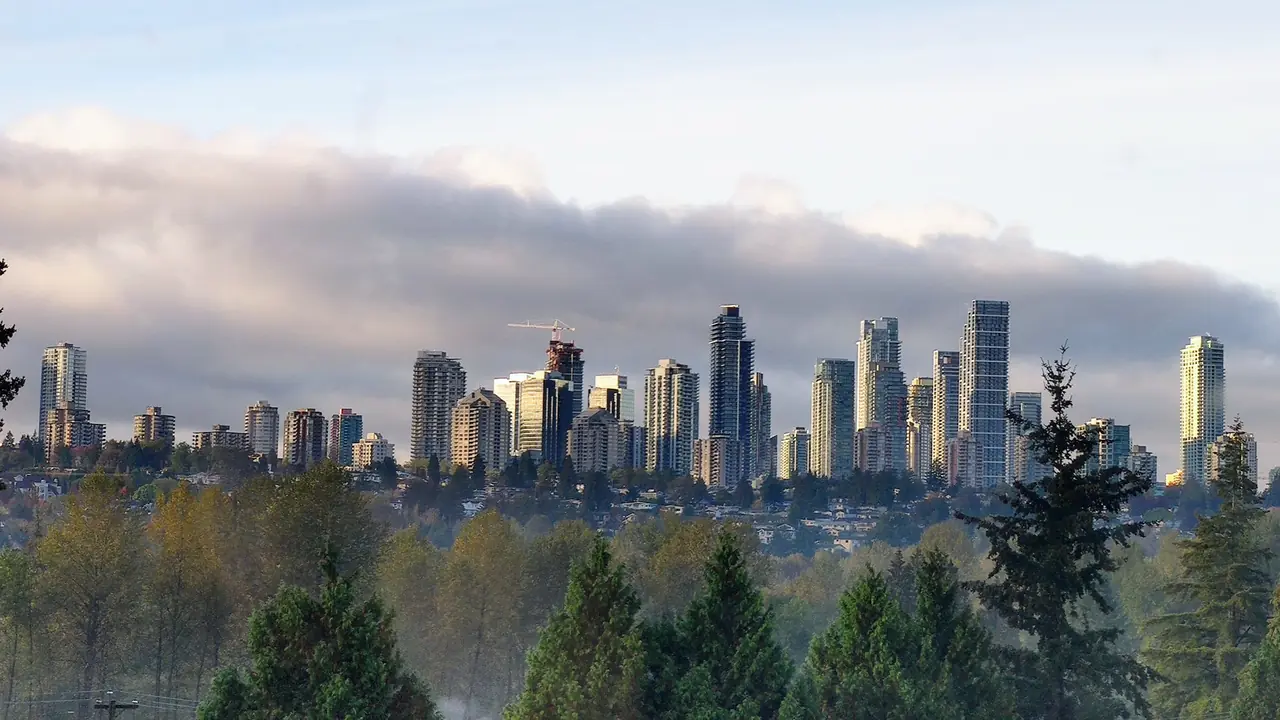
Why Metrotown matters
Metrotown is Burnaby's largest urban centre and one of Metro Vancouver's most recognizable high-rise districts. It combines rapid transit, major shopping, restaurants, services and dense housing in a relatively compact area.
Getting there and around
Metrotown Station and Patterson Station on the Expo Line make the area practical without a car. Bus connections extend into surrounding neighbourhoods. Walking is easiest near the station and shopping district; major roads and large blocks can make some trips feel longer than the map suggests.
Central Park
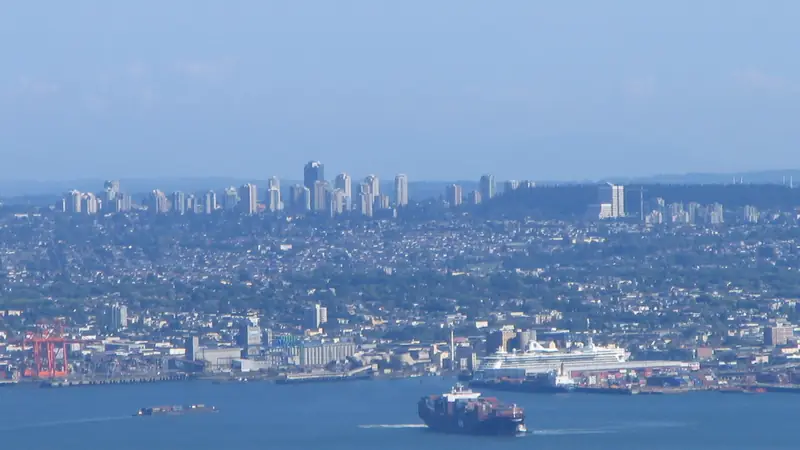
Central Park sits immediately west of Metrotown and gives the area an important outdoor counterbalance. Mature forest, trails and recreation facilities make it useful for a morning walk, family break or exercise without travelling to another part of Burnaby.
Shopping and food
Metropolis at Metrotown is the dominant shopping destination, but restaurants and services extend along Kingsway and surrounding streets. For a visitor, it is more useful to plan around a meal or specific shopping need than to treat the whole district as one attraction.
Staying in Metrotown
The area can work well for visitors who want SkyTrain access to Vancouver while remaining in Burnaby. Before booking, check the walk from the property to the station, parking charges if driving, and whether the daily itinerary is mostly east, west or north of the area.
Living in Metrotown: strengths
Transit, groceries, restaurants, shopping, recreation and regional access are major advantages. A car-light lifestyle is more realistic here than in many lower-density parts of Burnaby.
Living in Metrotown: trade-offs
Construction, traffic, busy sidewalks, tower living and a fast urban pace may not suit everyone. School catchments, building rules, noise exposure and the exact block should be checked individually.
Best use for a visitor
Pair Metrotown with Central Park, or use it as a meal and shopping stop before or after Deer Lake. It is usually unnecessary to spend a full sightseeing day inside the shopping district unless retail is the main purpose.
Who Metrotown suits best
Metrotown is strongest for visitors and residents who value rapid transit, shopping and regional access. It is a practical base for someone travelling frequently to Vancouver or New Westminster and for a visitor who wants restaurants and services close together. People looking for quiet residential streets, immediate wilderness or a small neighbourhood feel may prefer another part of Burnaby.
A practical Metrotown half-day
Start at Central Park while energy and weather are favourable, then walk or take a short transit connection toward the Metrotown commercial area for lunch, shopping or an appointment. This keeps the outdoor and urban parts of the day close together. If Deer Lake is also planned, treat it as the next cluster rather than adding Burnaby Mountain or Brentwood to the same short outing.
Living here: what to test before deciding
Walk the exact route between a prospective home and SkyTrain, groceries and the services you expect to use. Visit during an evening rush period as well as a quiet weekend. High-rise living can be convenient, but elevator waits, parking arrangements, building rules, construction exposure and noise differ from one property to another.
Nearby connections
Patterson and Royal Oak create useful alternatives to Metrotown Station for some addresses. Deer Lake lies to the north, Central Park to the west and New Westminster is a straightforward Expo Line trip east. Those connections make Metrotown a strong regional base even when the main attraction is elsewhere.
Before you go
Burnaby changes through construction, seasons, events and service updates. Confirm hours, closures, admissions, transit and accessibility with the responsible organization when those details affect your trip.
Continue planning
Use our Burnaby things to do guide, neighbourhood guide, getting around Burnaby guide and trip-planning guide to connect this page with the rest of your visit.
Before you make a decision
- Confirm the exact place. Burnaby neighbourhood names and park names can cover larger areas than a visitor expects.
- Test transportation. Compare the complete driving, transit and walking route at the time you will actually use it.
- Check current conditions. Verify hours, closures, events, trail notices and facility information with the responsible organization.
- Keep the day realistic. One strong anchor plus one or two nearby stops usually creates a better Burnaby day than a citywide checklist.
Useful official resources
Use these sources for details that can change after this guide is published.