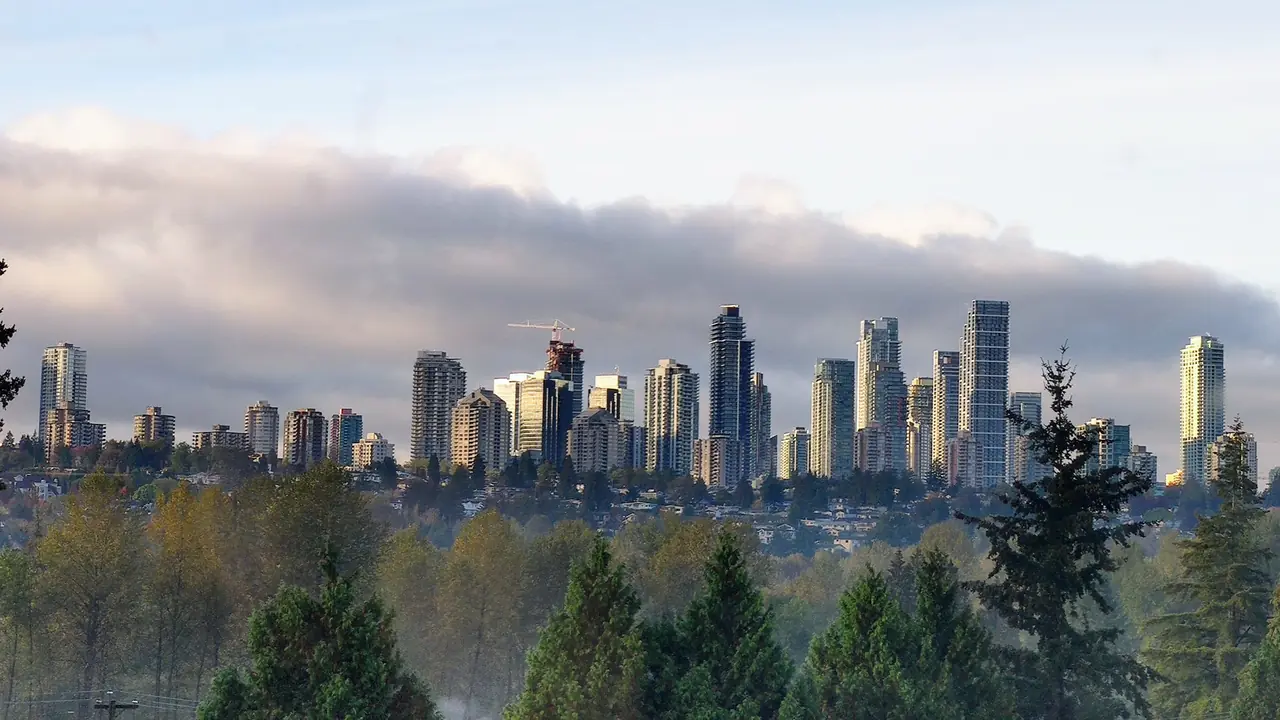
Start with daily life, not reputation
Burnaby is large enough that two residents can have completely different experiences. The right area depends on work or school location, transit, housing type, budget, family needs and how often the household travels to Vancouver or other cities.
Population and diversity
The 2021 Census counted 249,125 residents in Burnaby, up 7% from 2016. Burnaby is highly diverse, with many languages and cultural communities represented. That diversity is visible in schools, food, community organizations and neighbourhood life.
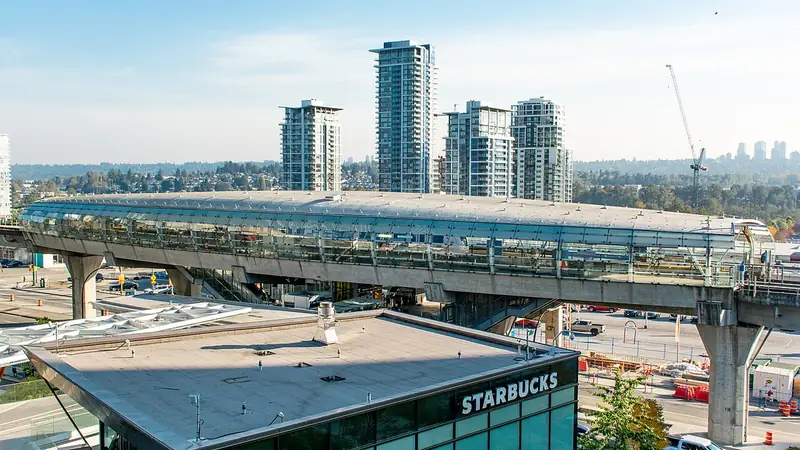
Transit-oriented centres
Metrotown, Brentwood, Lougheed and Edmonds provide the strongest combination of rapid transit and high-density housing. These areas suit car-light households but come with urban trade-offs such as construction, traffic and smaller living spaces.
Established neighbourhoods
Burnaby Heights, South Slope, Capitol Hill, Montecito and other established areas can provide quieter residential environments. Transit quality, hills and access to daily services vary more from block to block.
Schools and childcare
Families should confirm school catchments and programs directly with the Burnaby School District. Childcare availability can change quickly and should be researched before a move, not after.
Parks and recreation
Burnaby's park and recreation network is a major quality-of-life advantage. The useful question is which facilities are realistically close to the home and daily routine.
Housing due diligence
Whether renting or buying, inspect the specific building, review rules and costs, understand commute time and check noise or construction exposure. A neighbourhood guide cannot replace property-level research.
Regional commuting
Burnaby's central location is valuable, but a commute to downtown Vancouver, Surrey, Richmond or the North Shore behaves differently. Test the actual route during the hours you expect to travel.
For newcomers: test the routine before committing
Visit the immediate neighbourhood at the hours you expect to use it. Travel to work or school, buy groceries, check a recreation facility and walk the route to transit. A weekend impression does not reveal an early-morning commute, evening traffic or the hill between a home and the station.
Address-level research matters
Neighbourhood descriptions are useful first filters, not housing advice. Buildings on the same street can differ in age, parking, noise, rules and accessibility. School catchments, development proposals and transit routes should be verified through current official sources.
Know which information changes fastest
Programs, school boundaries, road construction, development applications and service schedules can change after a guide is published. Use Burnaby-BC.ca for context and use the City, school district, library, TransLink and other responsible organizations for the current operational detail.
Before you go
Burnaby changes through construction, seasons, events and service updates. Confirm hours, closures, admissions, transit and accessibility with the responsible organization when those details affect your trip.
Continue planning
Use our Burnaby things to do guide, neighbourhood guide, getting around Burnaby guide and trip-planning guide to connect this page with the rest of your visit.
Before you make a decision
- Confirm the exact place. Burnaby neighbourhood names and park names can cover larger areas than a visitor expects.
- Test transportation. Compare the complete driving, transit and walking route at the time you will actually use it.
- Check current conditions. Verify hours, closures, events, trail notices and facility information with the responsible organization.
- Keep the day realistic. One strong anchor plus one or two nearby stops usually creates a better Burnaby day than a citywide checklist.
Useful official resources
Use these sources for details that can change after this guide is published.