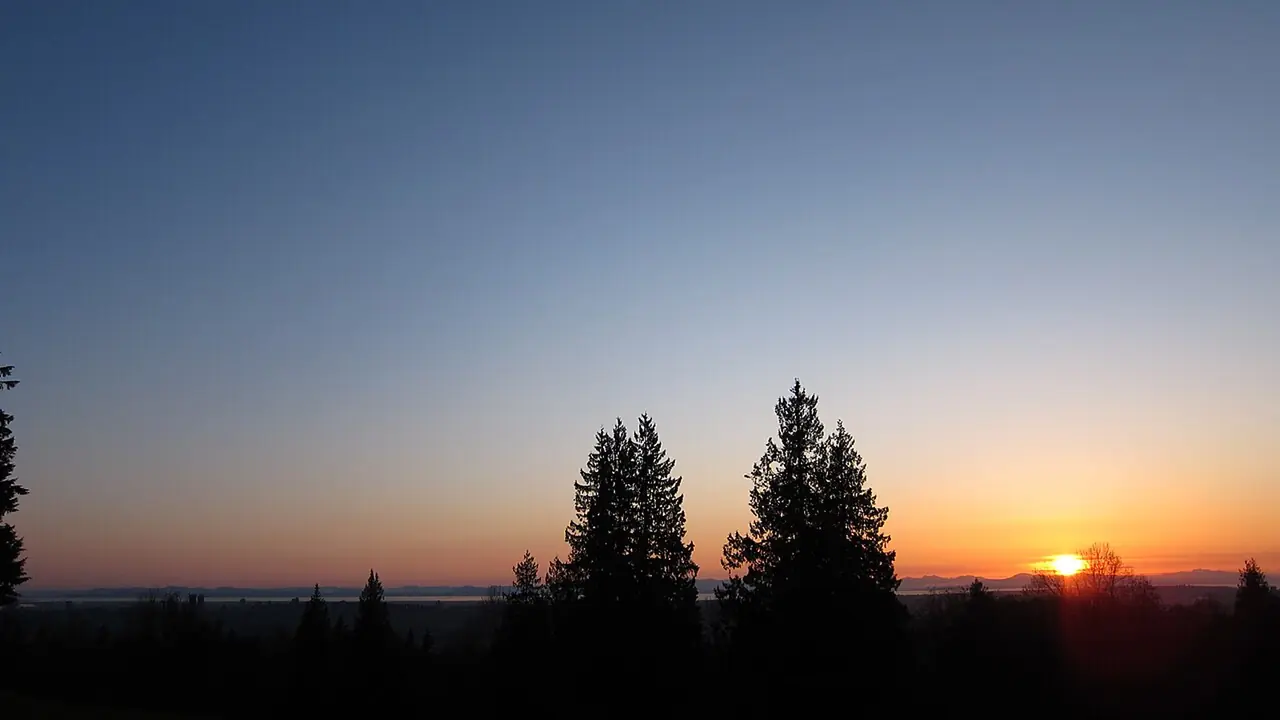
A real mountain environment inside the city
Burnaby Mountain Conservation Area covers roughly 576 hectares and includes forest, steep slopes and a network of trails. It deserves more preparation than a neighbourhood park.
Trail choice
Routes vary in length and difficulty. The Velodrome trail is known for steep climbing. Choose a route based on fitness, daylight and conditions rather than selecting the most famous name.
Views
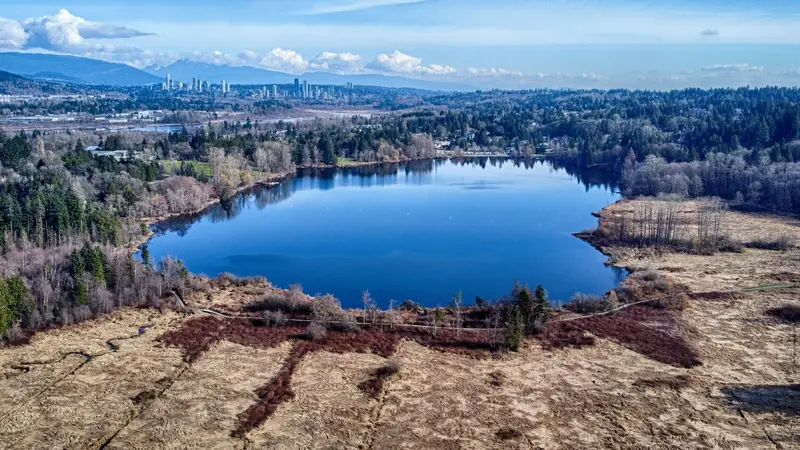
Summit areas can provide views over Burrard Inlet, Vancouver and surrounding mountains. Clear weather matters, and fog can erase the view entirely.
Wildlife
Deer, coyotes, birds and smaller animals are common, while larger wildlife can occasionally move through the area. Follow posted guidance and keep pets controlled.
Weather
The mountain can be colder and snowier than lower Burnaby. Winter visitors should check road and trail conditions before leaving.
Transit and parking
Buses serve SFU and the mountain. Drivers should use designated parking and respect closures or event restrictions.
Combine with SFU
A campus stop provides food, shelter and architecture before or after a trail. This is one of the easiest ways to turn a hike into a broader Burnaby day.
When to turn back
Mountain conditions can change quickly. Fog, snow, heat, smoke, fading daylight or a trail that is harder than expected are all valid reasons to shorten the route. A successful outing does not require completing the longest trail.
What to bring
For a longer walk, carry water, weather-appropriate layers and a charged phone. Footwear with useful grip is preferable to casual city shoes on steeper or wet routes.
How to decide what belongs in the day
Choose the activity that matters most, then build around its location. Burnaby rewards geographic grouping: Deer Lake with culture, Burnaby Mountain with north Burnaby, Metrotown with Central Park, and Burnaby Lake with a nature-focused day. That approach is more useful than collecting unrelated attractions from a ranking.
What to check before leaving
Verify opening hours, event schedules, trail or facility notices, weather and transportation for the exact date. Parks can be affected by maintenance, concerts, smoke, heat or seasonal conditions, while indoor attractions may operate on different calendars even when they sit beside one another.
When another Burnaby option may be better
Do not force a popular place into the itinerary when it does not fit the group. A steep mountain trail is not the best choice for every family, and a large shopping centre is not the best rainy-day answer for every visitor. Compare the alternative guides on this site and choose the experience that matches time, mobility and interests.
Before you go
Burnaby changes through construction, seasons, events and service updates. Confirm hours, closures, admissions, transit and accessibility with the responsible organization when those details affect your trip.
Continue planning
Use our Burnaby things to do guide, neighbourhood guide, getting around Burnaby guide and trip-planning guide to connect this page with the rest of your visit.
Before you make a decision
- Confirm the exact place. Burnaby neighbourhood names and park names can cover larger areas than a visitor expects.
- Test transportation. Compare the complete driving, transit and walking route at the time you will actually use it.
- Check current conditions. Verify hours, closures, events, trail notices and facility information with the responsible organization.
- Keep the day realistic. One strong anchor plus one or two nearby stops usually creates a better Burnaby day than a citywide checklist.
Useful official resources
Use these sources for details that can change after this guide is published.